Schedule a free consultation!
631-946-2600
.webp)
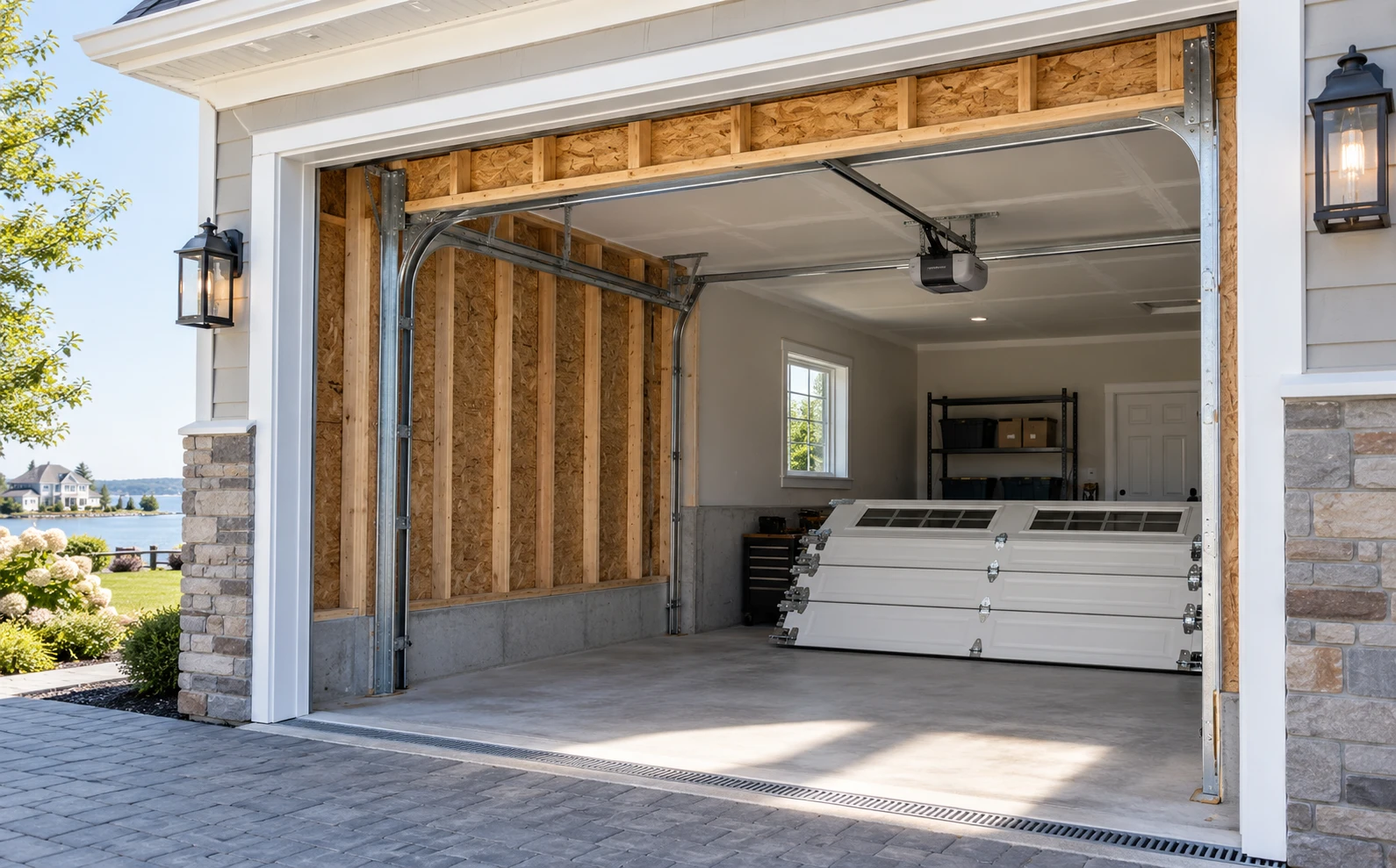
When homeowners start planning a new garage door, the door itself usually gets most of the attention. Style, color, windows, insulation, and materials are exciting decisions because they determine what the finished garage will look like. But a successful garage door installation begins before any of those choices matter. It starts with understanding the opening where the new system will actually operate.
The dimensions of the opening, available headroom, surrounding structure, tracks, ceiling clearance, floor conditions, and existing equipment can all influence what type of garage door system will work properly. A door may look perfect on paper, but it still needs to fit the physical conditions of the garage and move smoothly within them. That is why professional installation is more than placing a new door into an existing space. It begins by understanding that space first.
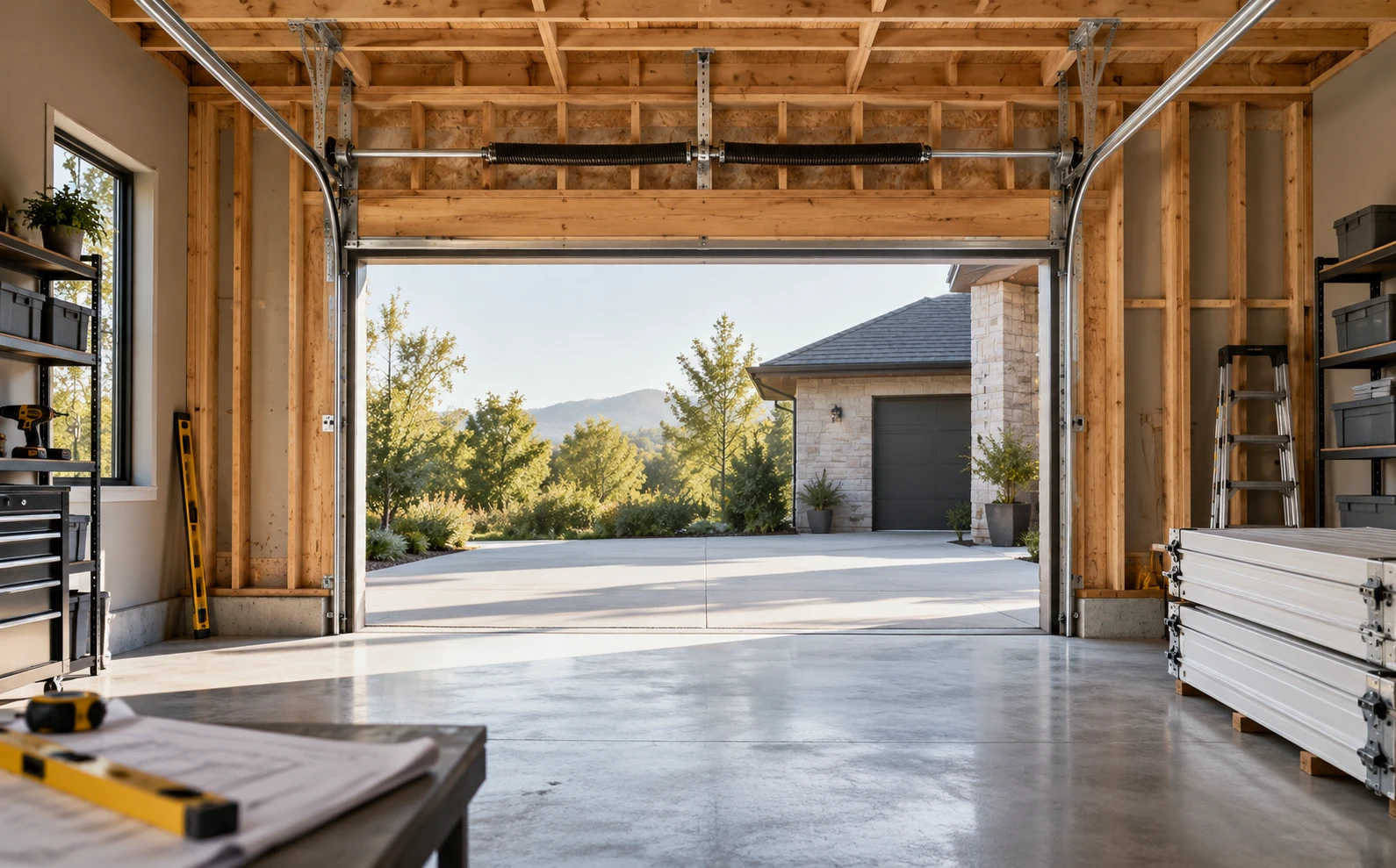
Every garage has its own physical conditions. Even homes that appear similar from the street can have differences behind the opening that affect how a new garage door should be configured. Taking the time to understand those conditions creates a stronger starting point for the entire installation.
The width and height of the garage opening are obvious measurements, but they are only part of the picture. Installers also need to consider the available space beside the opening, the distance between the top of the opening and the ceiling, and the amount of room available inside the garage for tracks and operating equipment.
These dimensions determine how the garage door can travel once it begins opening. A system that fits the visible opening still needs enough surrounding space to operate correctly. Careful measurements help ensure that the selected Residential Garage Door can be configured appropriately for the home instead of forcing a standard setup into a space that requires something different.
The space above a garage door opening plays an important role in determining how the tracks, springs, and other components can be positioned. Some garages provide plenty of room, while others may have lower ceilings or structural features that limit available headroom.
Identifying those conditions before installation makes it possible to plan the system accordingly. This becomes especially important when garages have unusual ceiling heights, storage systems, finished ceilings, or other features occupying the space above the door.
The areas beside the garage door opening may not seem particularly important, but they provide space for tracks, brackets, hardware, and other components that help guide and support the door.
Obstructions, framing conditions, electrical equipment, shelving, or previous modifications can affect how much usable space is available. Evaluating these areas before installation helps prevent surprises after the new door has already been selected.
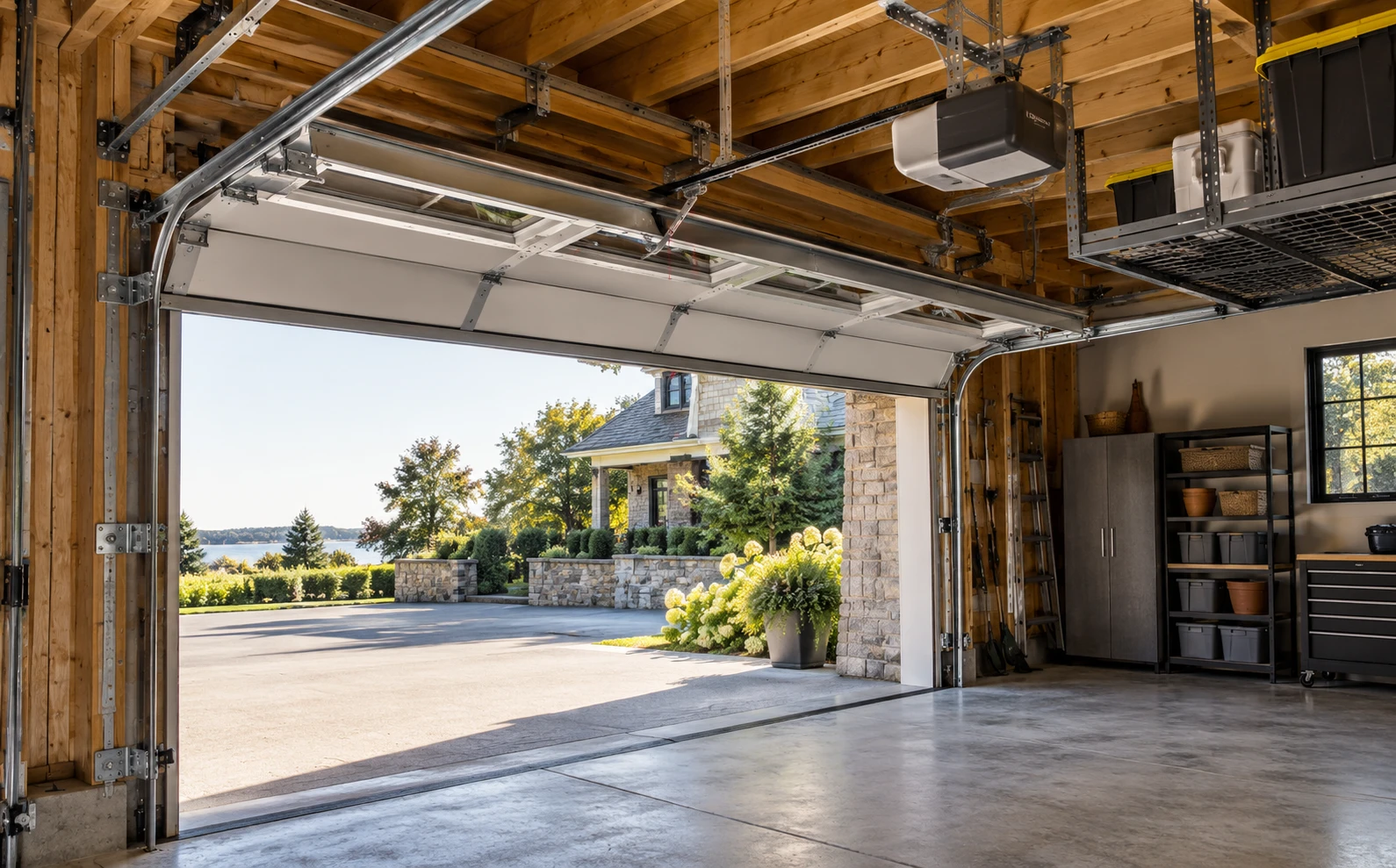
A garage door does not operate independently from the structure around it. The floor, framing, ceiling, and interior layout all influence how well the completed system can be installed and adjusted. Looking beyond the visible opening helps installers understand what the new door will need from the surrounding garage.
Garage floors are not always perfectly level. Over time, concrete can settle, crack, or develop slight variations that affect how the bottom of the door meets the floor.
If the relationship between the door and floor is overlooked, small gaps can remain after installation. Those gaps may allow drafts, moisture, dirt, or insects into the garage. Evaluating the floor beforehand helps determine how the bottom of the system should meet and seal against the surface.
For Long Island homeowners dealing with changing temperatures, rain, humidity, and seasonal weather, proper sealing can make a noticeable difference in how protected the garage feels throughout the year.
Garage door components need secure attachment points. Tracks, brackets, springs, and other hardware depend on the surrounding structure for proper support.
Before installing a new system, the condition and configuration of the framing should be considered. Previous installations, renovations, or changes to the garage may have altered areas around the opening. Identifying these conditions early gives installers a clearer understanding of how the new system should be positioned and secured.
Once the garage door begins opening, much of the system moves into the interior ceiling area. Tracks extend into the garage, the door sections travel overhead, and the Garage Door Opener needs enough room to operate properly.
Lighting, storage racks, beams, pipes, ductwork, and other ceiling-mounted features can all influence the available space. Planning around these elements before installation helps create a cleaner setup and reduces the possibility of conflicts later.
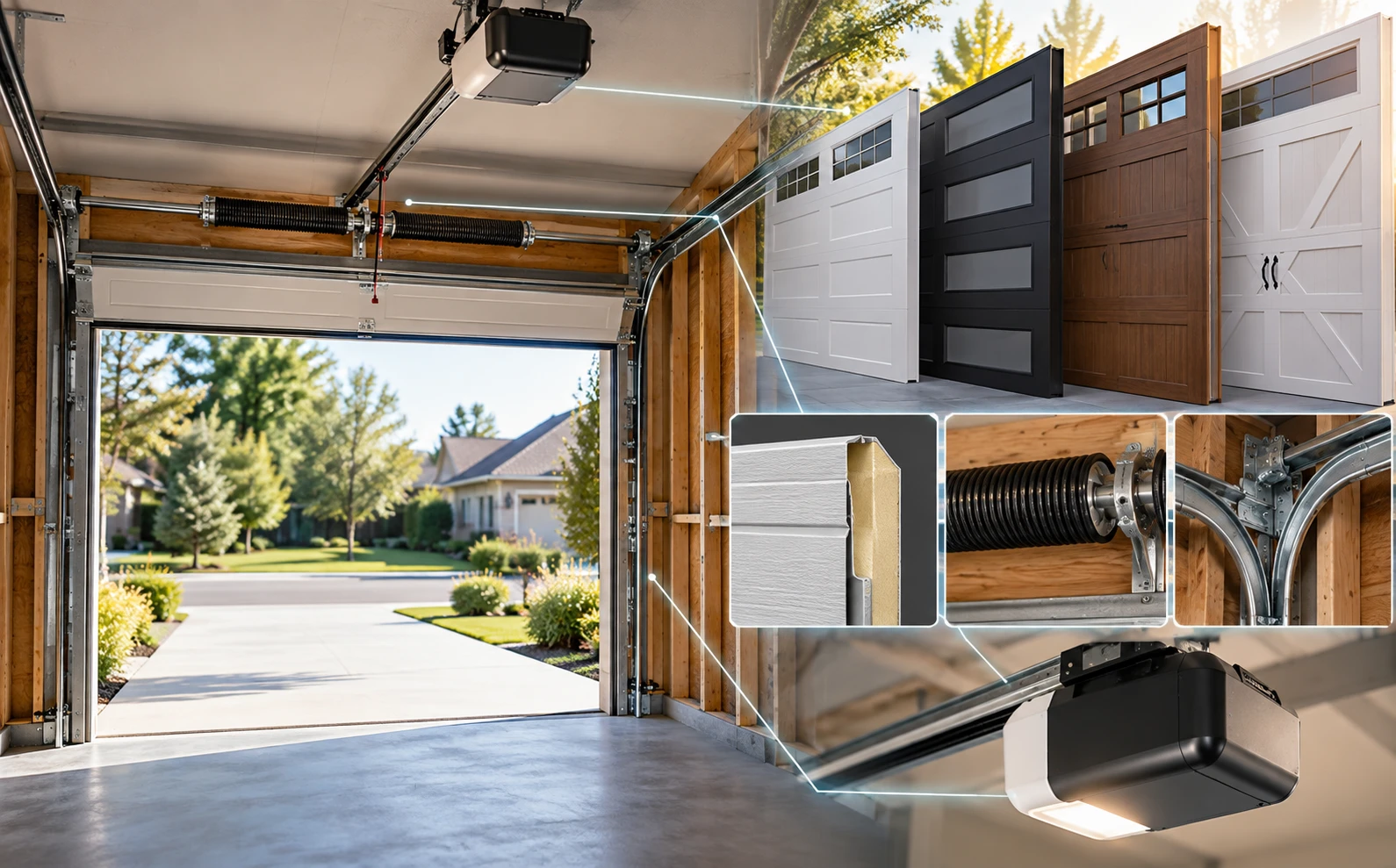
Once the physical conditions are understood, choosing the actual garage door becomes much easier. Instead of selecting a door first and trying to make everything else work around it, homeowners can make decisions based on what the garage can properly support and what they want the finished system to accomplish.
A garage door needs to complement the home's architecture, but appearance is only one part of the decision. The door's construction, weight, insulation, hardware, and operating requirements also need to work with the available space.
This is where professional planning can prevent compromises later. Understanding the opening first allows homeowners to explore options that make sense both visually and mechanically.
You can explore the DJ Doors Inc. Projects Gallery to see how different garage door styles can be integrated into different homes and exterior designs.
Garage doors can vary significantly depending on their size, construction, insulation, windows, and materials. Those differences can affect the overall weight of the door and the components required to move it safely and consistently.
Springs, hardware, tracks, and opener compatibility all need to work together as a system. Selecting these components around the actual door and opening helps create balanced movement rather than asking individual parts to compensate for an unsuitable setup.
The opener should not automatically be treated as a separate decision after the new door is installed. Door size, weight, usage patterns, available ceiling space, noise expectations, and existing equipment can all influence what type of opener setup makes sense.
Planning the door and opener together can create a smoother overall installation. For homeowners replacing an older system, it is also an opportunity to evaluate whether the existing opener still makes sense for the new door instead of assuming it should automatically remain.
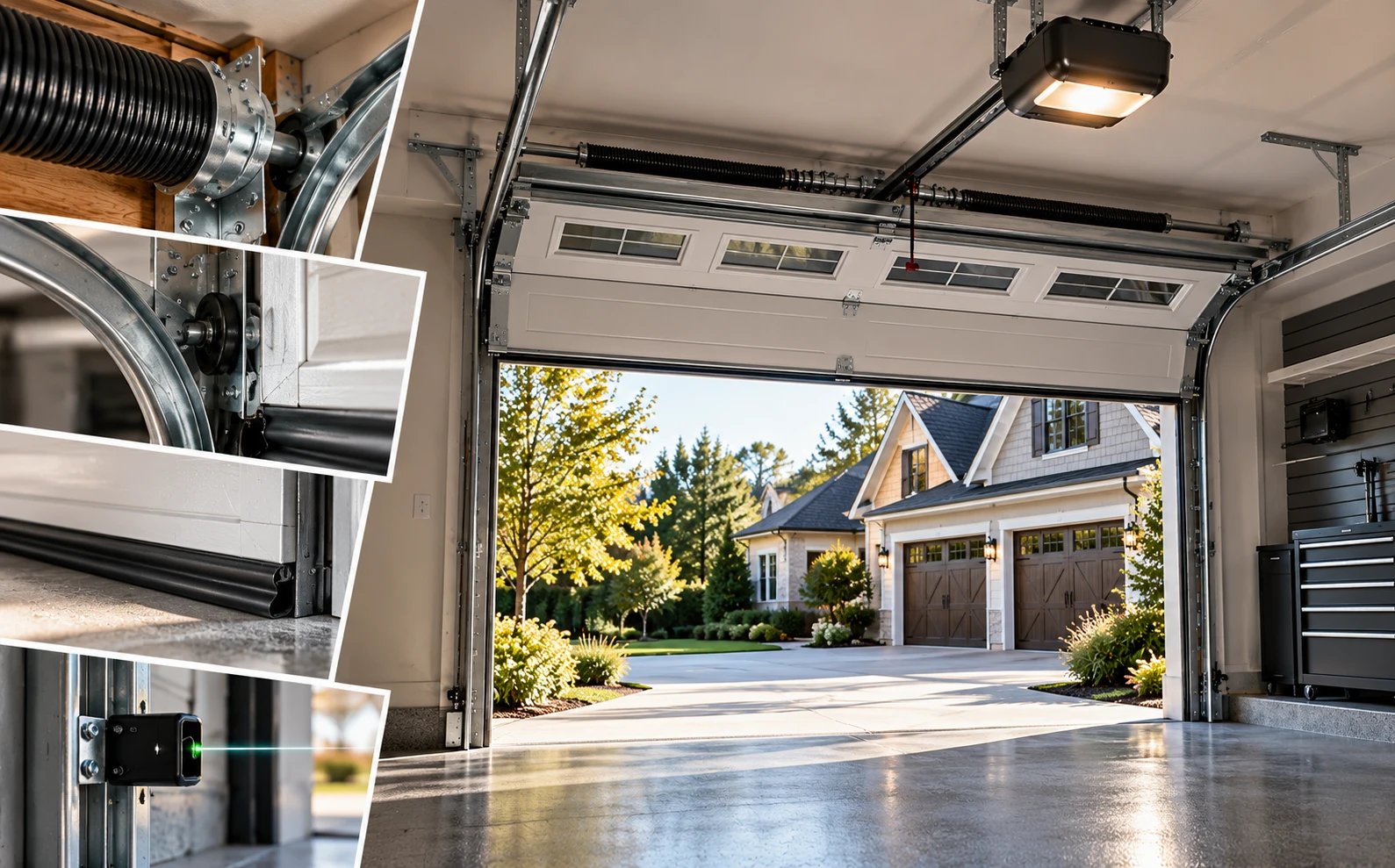
When a garage door installation is completed properly, the finished result can look surprisingly straightforward. The door sits cleanly within the opening, travels smoothly, seals properly, and responds consistently. What homeowners do not see is the planning and adjustment required to create that result.
Smooth movement depends heavily on how the system is positioned. Tracks need to guide the door correctly, hardware needs to be properly secured, and the door needs to travel through its full range without unnecessary resistance.
Precision during installation helps reduce stress on individual components and contributes to quieter, more controlled movement. Good alignment is not simply about making the door look straight when closed. It affects how the system performs every time it opens.
A properly configured garage door should move as a balanced system. Springs and other components help manage the weight of the door so the opener does not have to do all the work itself.
When the system is correctly installed and adjusted, movement can feel controlled rather than strained. That balance can also help reduce unnecessary wear on the opener, hardware, and other moving components over time.
The final stages of installation are not simply cosmetic. Weather seals, hardware adjustments, opener settings, safety features, and testing all influence how the garage door performs after the installation crew leaves.
This is also why professional Garage Door Service Calls remain important throughout the life of the system. A garage door experiences thousands of movements and changing seasonal conditions, so maintaining the setup established during installation helps preserve smooth, reliable performance.
Choosing a new garage door is exciting, and design will always be an important part of the decision. But the quality of the finished system depends on more than choosing the right panels, color, windows, or material.
The garage opening determines how the system needs to fit, where the tracks can travel, how components can be positioned, and how effectively the door can seal and operate. By evaluating those conditions before choosing and installing the door, homeowners can make decisions based on the reality of their garage rather than appearance alone.
A professional garage door installation should feel effortless when it is finished. Achieving that result begins with careful measurements, proper planning, and understanding the opening before the new door ever arrives.
The right garage door begins with understanding what will work best for your opening, your home, and the way you use the space.
Contact DJ Doors Inc. to start planning a garage door installation built around your home from the beginning.
At DJ Doors Inc., we offer a comprehensive range of garage door services designed to meet both residential and commercial needs. Whether you're looking to install a new garage door, repair an existing one, or upgrade your garage door opener, our expert team is here to provide reliable and efficient solutions.


.png)