Schedule a free consultation!
631-946-2600
.webp)
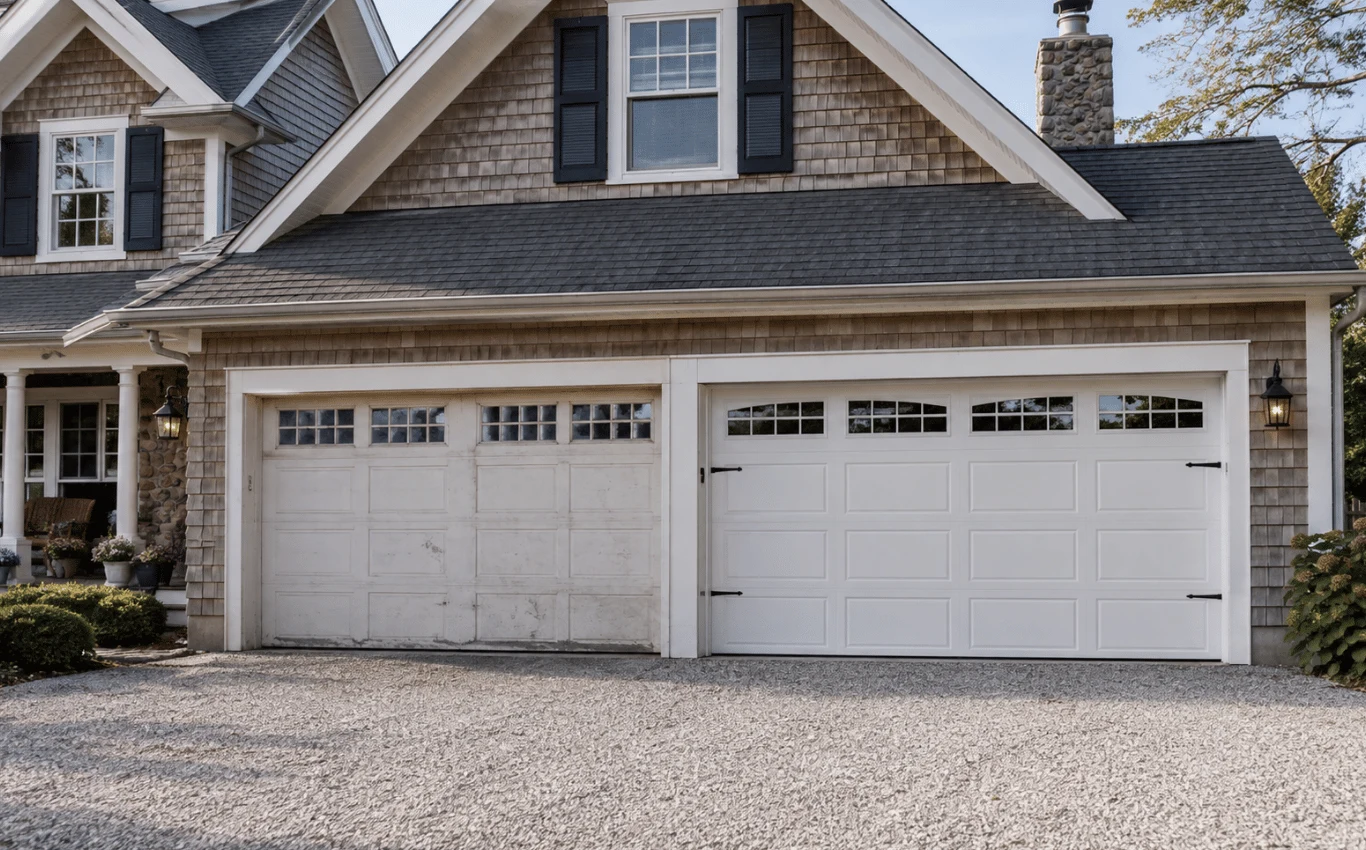
Replacing an old garage door doesn’t mean starting from zero. Years of noise, weather exposure, repairs, and everyday use can reveal exactly what your next door should do better.
By learning from those past issues, homeowners can choose a replacement with better materials, insulation, performance, and design. The goal is not just a newer garage door, but one that fits your home and daily routine more effectively.
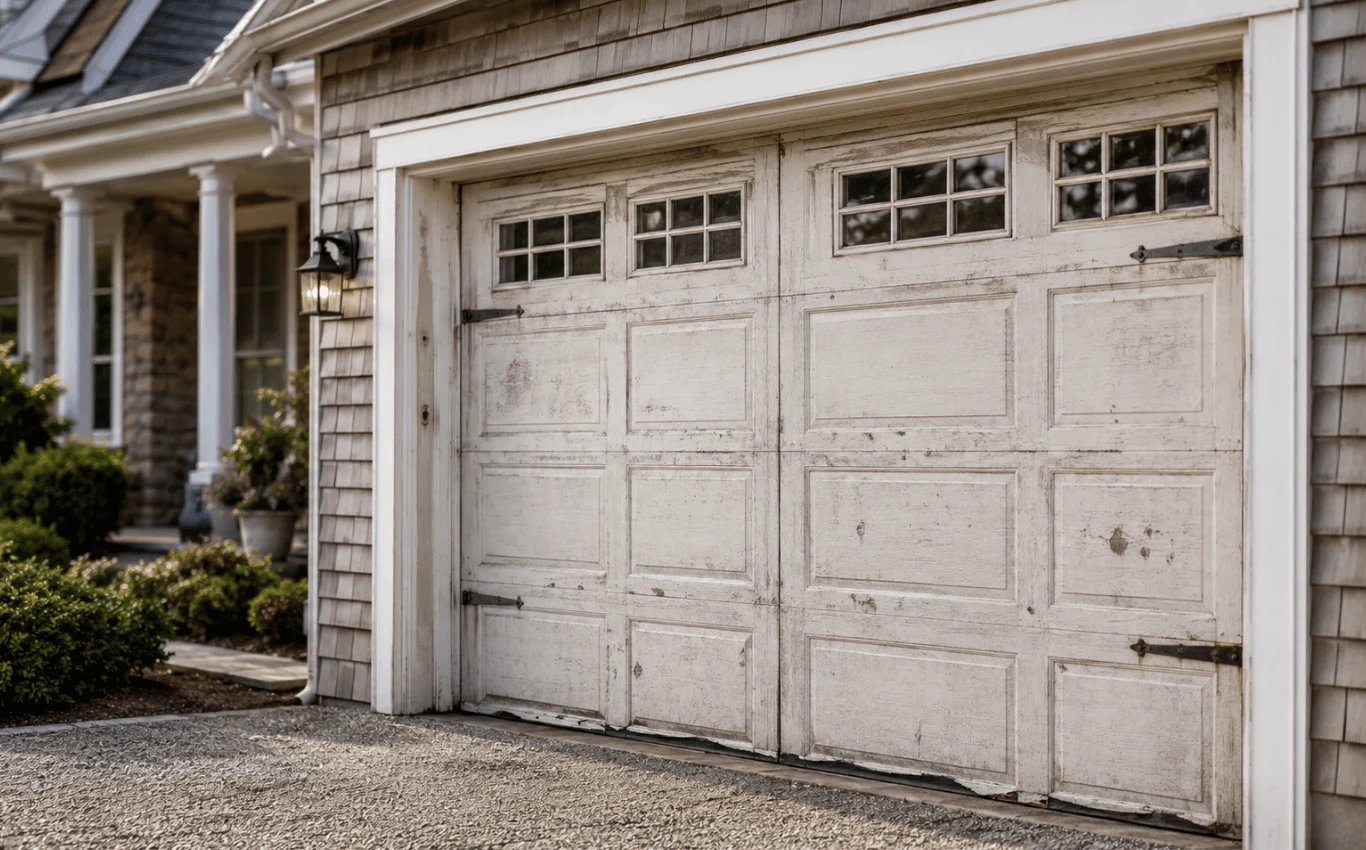
Before looking at new styles and finishes, think about the experience you've had with your existing garage door. The things that bothered you over the years can provide some of the clearest direction for your next installation. An aging door reveals where performance, comfort, appearance, and convenience may have fallen short, giving you a practical list of improvements to prioritize.
Think about which issues required attention more than once. Did the door frequently become noisy? Were rollers, tracks, hardware, or other components repeatedly causing problems? Did the system often feel uneven or unreliable? A history of recurring Garage Door Service Calls can reveal weaknesses that should influence the next system you choose.
Instead of viewing those repairs as unrelated events, look for patterns. If the same types of problems continued appearing, the original door or system may simply not have been the best match for the home's usage. A replacement gives you the opportunity to address those weaknesses rather than carrying them forward.
Homeowners interact with their garage doors so frequently that small frustrations can eventually become normal. You may have gotten used to waiting for a slow door, hearing vibration through an attached room, or watching the system hesitate before closing. Once you're planning a replacement, those everyday annoyances become useful information.
Your next door should improve the experience as well as the appearance. Pairing the right door with properly selected Garage Door Openers can create quieter, smoother, and more responsive operation. If something about the old system bothered you every day, a replacement is your opportunity to solve it.
Different parts of an old garage door tell different stories. Fading may reveal how much direct sunlight the door receives, while corrosion can indicate frequent moisture exposure. Dents may suggest that the existing material isn't ideal for how the garage is used, and deteriorating seals can reveal where weather exposure has been particularly demanding.
These signs shouldn't automatically be dismissed as normal aging. They can help guide decisions about material, finish, construction, and weather resistance when choosing a new Residential Garage Door that is better suited to the property.
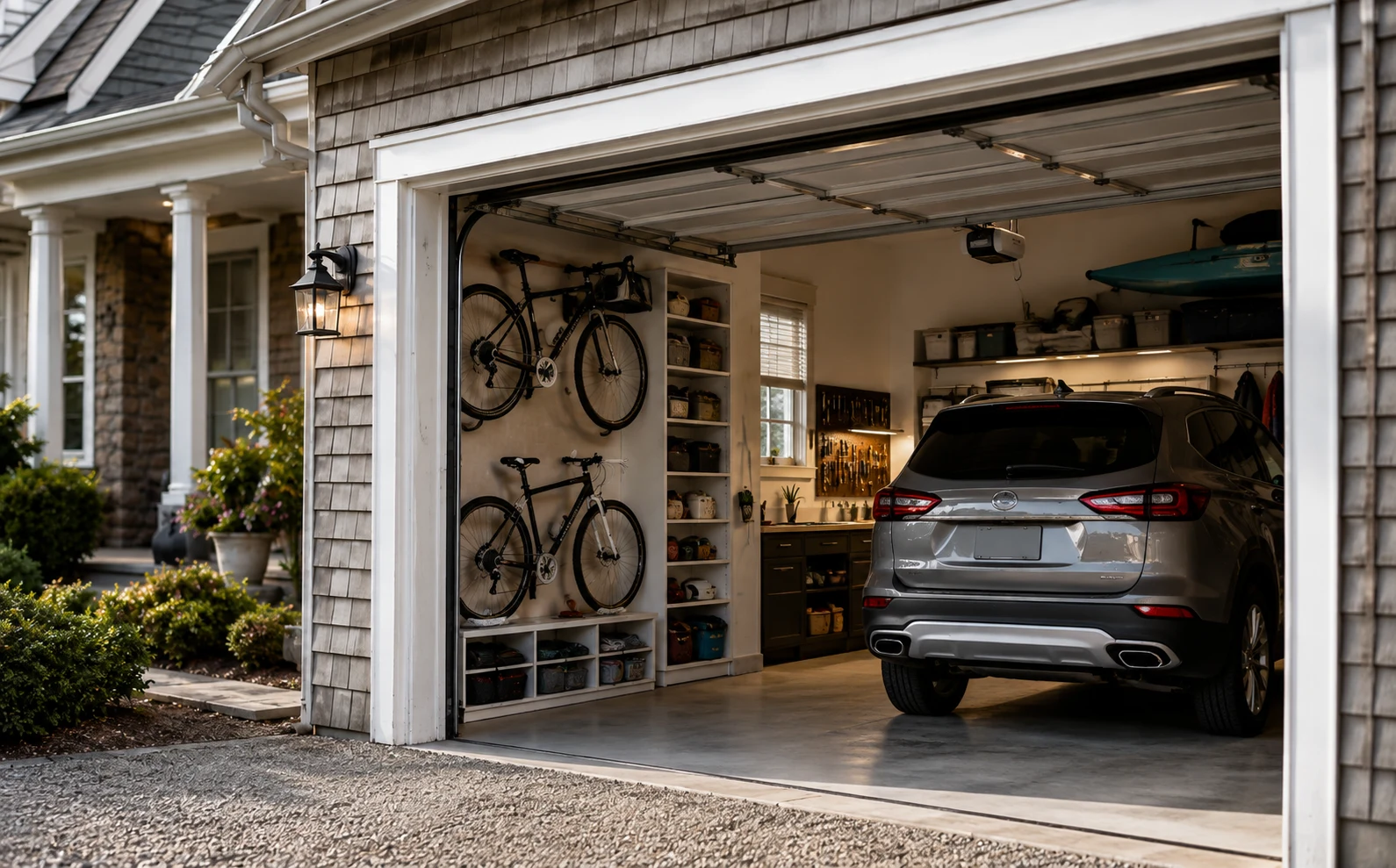
A garage may be used very differently today than when its original door was installed. Families change, vehicles change, technology improves, and garages themselves often take on new purposes. Looking at how the space functions now can help ensure the next garage door is designed around your current lifestyle rather than outdated assumptions.
Some garage doors operate only a few times per day, while others may cycle repeatedly as family members leave, return, run errands, or use the garage as a primary entrance. The more frequently a system operates, the more important durability, balance, opener performance, and quality hardware become.
Your old door can show you how demanding your household actually is on the system. If components have worn faster than expected or the opener has struggled over time, your next installation should be selected with that usage level in mind.
If your garage becomes extremely hot during summer or noticeably cold during winter, your existing door may be telling you that thermal performance deserves more attention. This can be particularly important when the garage is attached to the house, contains a workspace, or shares walls with frequently used living areas.
A replacement gives homeowners the opportunity to consider improved insulation and weather sealing rather than simply replacing panels. The right construction can help reduce outdoor temperature transfer and create a more comfortable garage environment throughout Long Island's changing seasons.
An older garage door may have been perfectly adequate when it was installed, but expectations have changed. Homeowners now often value quieter operation, convenient access, improved security, better insulation, and more responsive opener technology.
Rather than asking, "What door is most similar to the one I already have?" ask what you wish the old system had done better. That shift turns replacement from a necessary expense into an opportunity to create a garage door system that fits the way your household functions today.
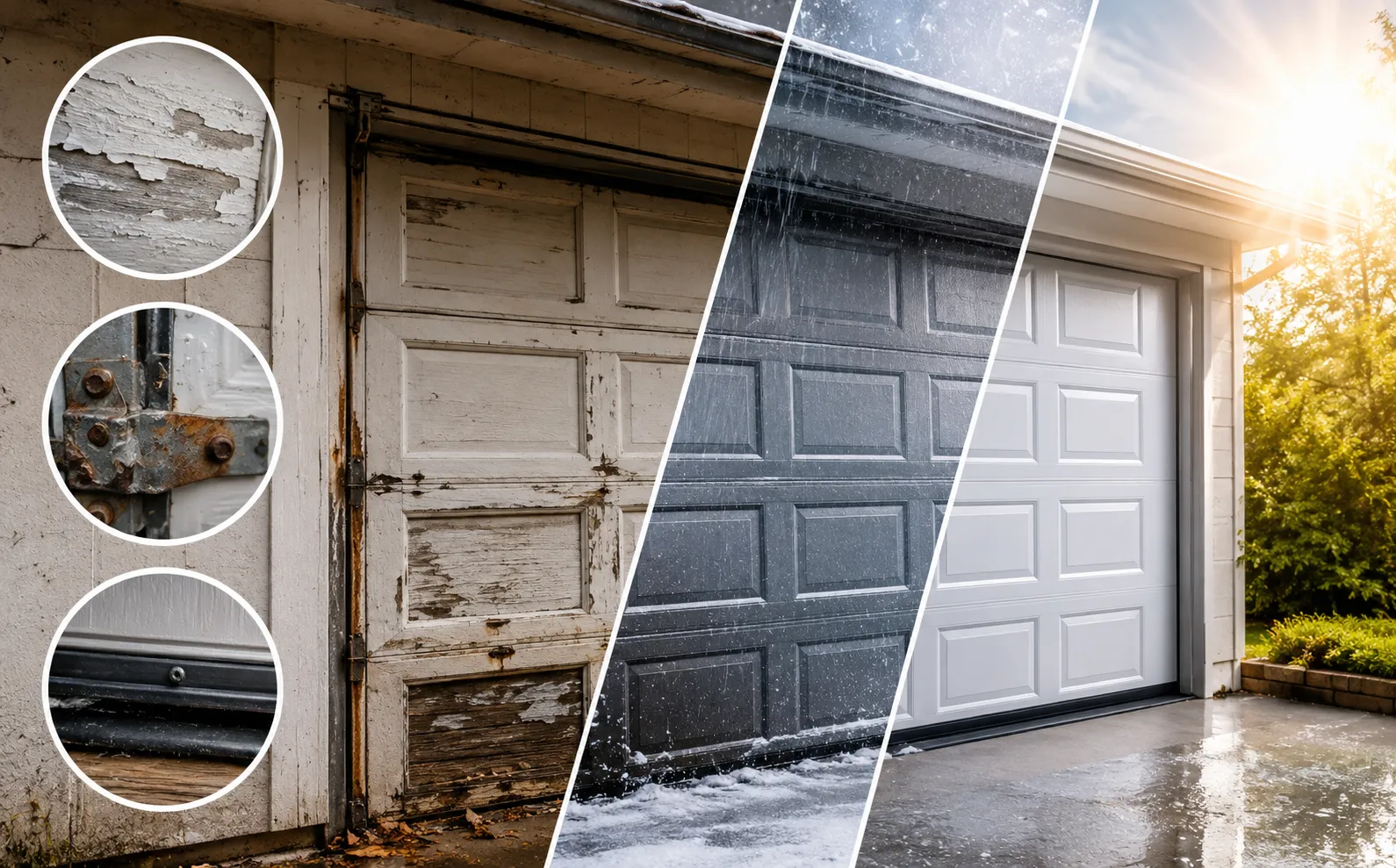
One of the biggest advantages of replacing an older garage door is that you already know how the location affects it. Years of exposure to Long Island's summer heat, humidity, rain, winter temperatures, and changing seasonal conditions provide real evidence about what your next garage door needs to withstand.
A door that has noticeably faded can reveal how much direct sunlight reaches the garage throughout the day. Darker finishes and certain materials may respond differently to prolonged exposure, making it important to consider both appearance and long-term durability when selecting the replacement.
Instead of choosing a finish based only on how it looks when new, consider how it is likely to age in that particular location. The goal is to choose a door that continues complementing the exterior after years of seasonal exposure.
If the old door or its hardware has experienced corrosion, swelling, peeling, or other moisture-related deterioration, pay attention to where those problems occurred. Long Island humidity, rain, snow, and coastal conditions can place significant stress on garage door materials and hardware over time.
The next system can be selected with those conditions in mind. More durable materials, appropriate finishes, better seals, and professional installation can all help improve resistance to the specific environmental stresses the old door experienced.
An aging garage door may allow noticeable air movement around the bottom, sides, or between sections. Sometimes this develops as seals deteriorate, while in other cases the original system may never have provided the level of protection the homeowner wanted.
A replacement provides an opportunity to improve the entire opening rather than simply changing the visible door. Proper fit, weather sealing, panel construction, and installation quality all contribute to how effectively the new system handles seasonal conditions.
.webp)
Once you've identified what the old garage door did well and where it struggled, those lessons should become part of the planning process for the replacement. The best upgrade isn't necessarily the most expensive or the most visually dramatic. It's the one that solves the right problems while fitting naturally into the home.
Design matters because garage doors occupy a significant portion of many home exteriors. However, appearance should be considered alongside material performance, insulation, durability, maintenance requirements, and everyday operation.
A beautiful door that doesn't suit the home's conditions can recreate many of the frustrations of the previous system. Instead, look for a balance between a design that complements the architecture and construction that suits how the garage will actually be used. The DJ Doors Inc. Projects Gallery can also provide inspiration for how different garage door styles work with different homes.
Installing a new door while automatically keeping an aging or poorly matched opener can limit how much the overall system improves. The door and opener need to work together, and factors such as door weight, balance, frequency of use, noise expectations, and desired features should all be considered.
If the old system was noisy, slow, or inconsistent, this is the time to determine whether upgrading the opener would create a better overall result. Thinking about the garage door as a complete system helps ensure the upgrade feels noticeably better from the first day.
Even a carefully selected garage door needs precise installation to deliver its intended performance. Alignment, spring balance, track positioning, weather sealing, hardware adjustment, and opener setup all influence how smoothly and reliably the system operates.
Professional installation also gives homeowners an opportunity to address issues that may have affected the previous door. Instead of simply removing one system and putting another in its place, the opening and components can be evaluated so the new garage door begins its life properly fitted, balanced, and prepared for everyday use.
An aging garage door isn't only something to remove. It's years of information about your home, your climate, and your daily routine. The noise you tolerated, the repairs you repeatedly made, the areas that faded or deteriorated, and the comfort problems you noticed can all help guide a better replacement decision.
The smartest garage door upgrade uses those lessons instead of ignoring them. By considering what worked, what didn't, and what your household needs today, you can choose a system that improves appearance, performance, durability, and everyday convenience. Your next garage door shouldn't simply be newer than the old one. It should be better because of everything the old one taught you.
If your current garage door is showing its age, DJ Doors Inc. can help you use what you've learned from it to choose a replacement that better fits your home and everyday needs.
Explore our Residential Garage Doors and contact DJ Doors Inc. to start planning your next garage door upgrade.
At DJ Doors Inc., we offer a comprehensive range of garage door services designed to meet both residential and commercial needs. Whether you're looking to install a new garage door, repair an existing one, or upgrade your garage door opener, our expert team is here to provide reliable and efficient solutions.

.png)