Schedule a free consultation!
631-946-2600
.webp)
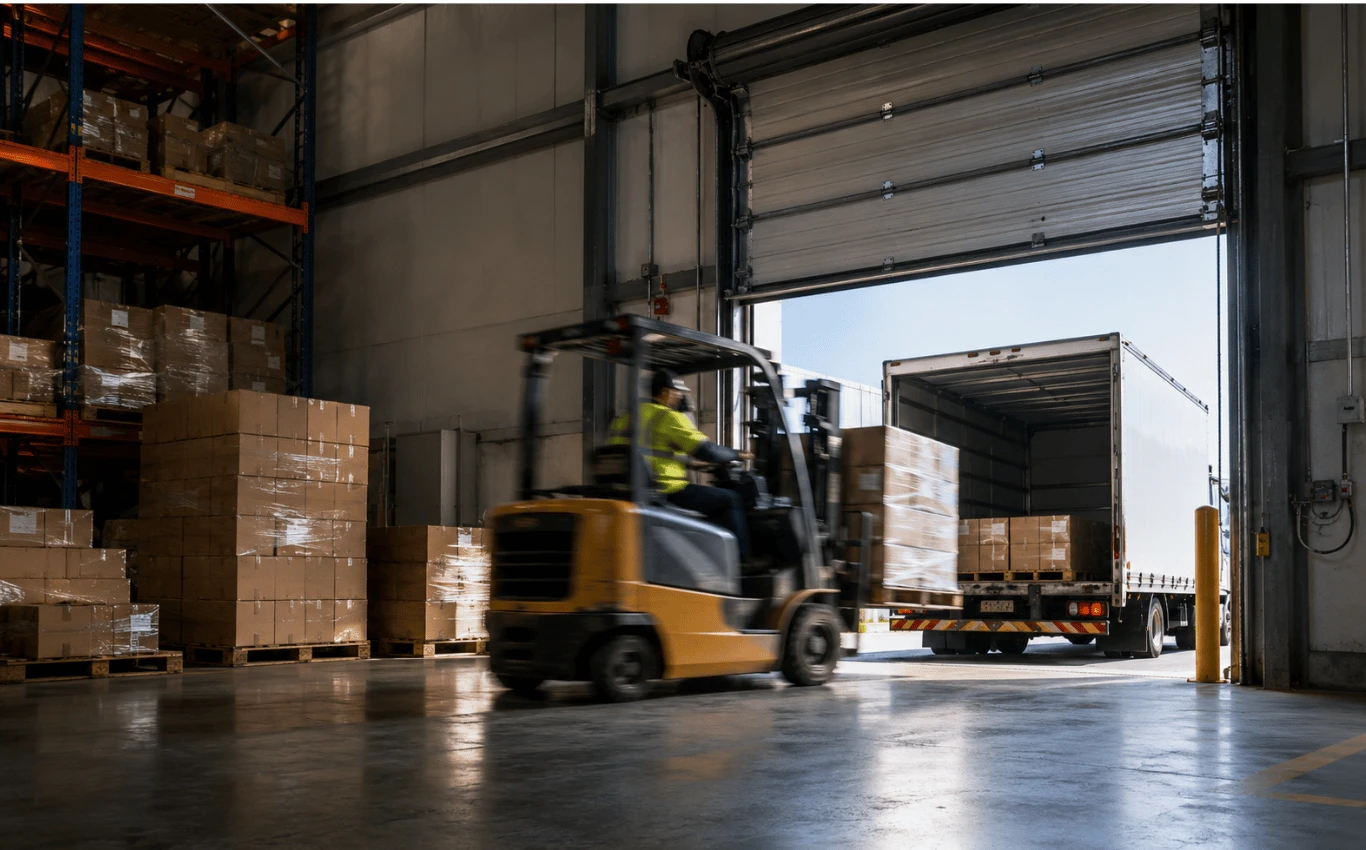
For many commercial facilities, a garage door is viewed as a simple access point. As long as it opens and closes, most people assume it’s doing its job. But in busy warehouses, service centers, distribution facilities, and industrial buildings, the speed and reliability of a commercial garage door affect much more than access. Even a small delay can quietly impact productivity throughout the day. A door that takes an extra 30 seconds to open, hesitates during operation, or slows traffic at key access points may not seem like a major issue at first. However, when those delays occur dozens of times every day, the lost time quickly adds up.
Over the course of a month, those small interruptions can cost facilities hours of productivity, create bottlenecks, and reduce operational efficiency. Understanding how commercial garage doors affect workflow helps facility managers recognize why performance, maintenance, and proper system selection are essential investments rather than simple conveniences.
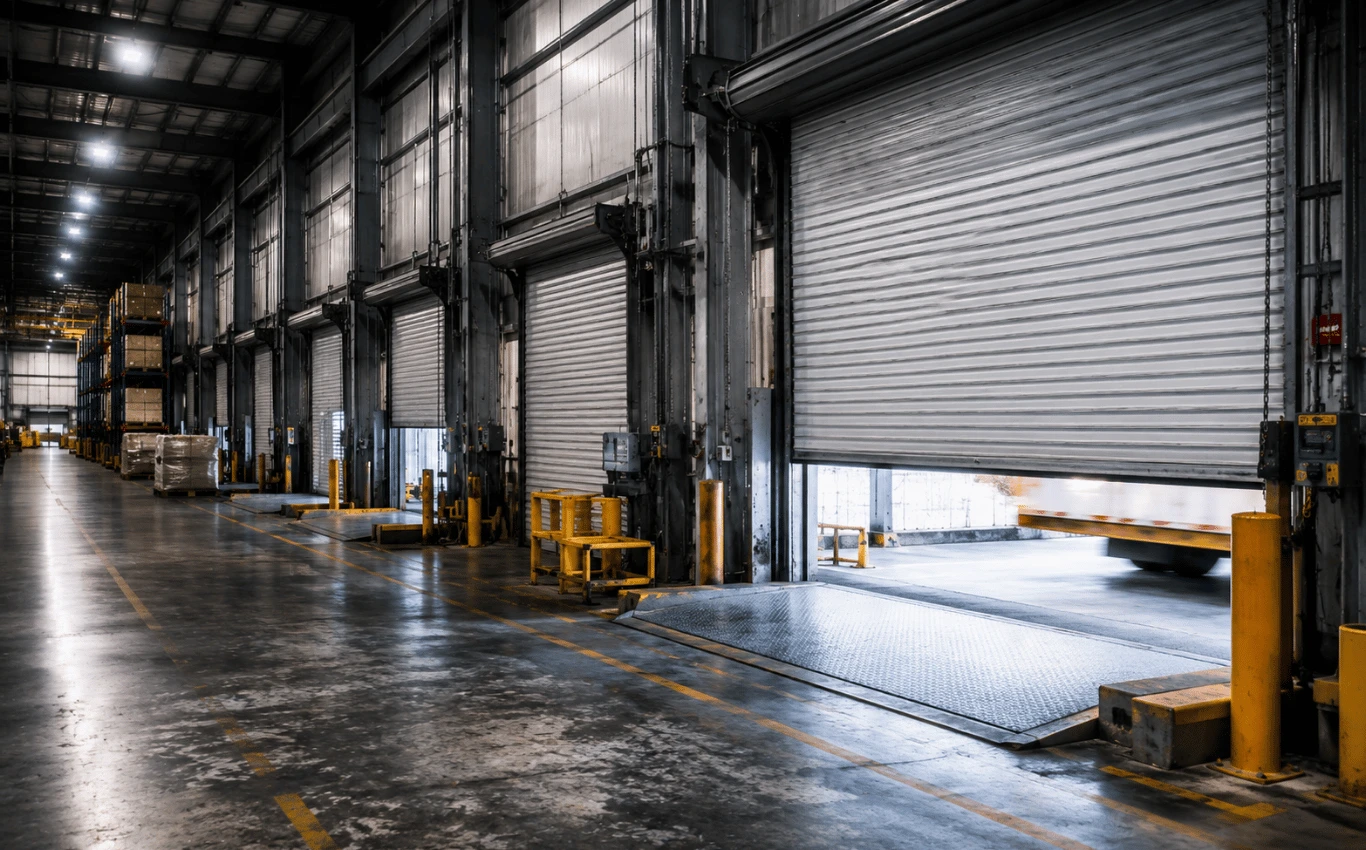
Thirty seconds may feel insignificant in a single moment, but commercial operations rarely involve a single cycle.
A commercial garage door may open and close dozens or even hundreds of times each day. If every cycle is slightly slower than it should be, employees, delivery drivers, and equipment operators spend more time waiting than working. What feels like a minor delay in one instance can become several hours of lost productivity by the end of the month.
Commercial facilities depend on smooth movement between loading areas, storage zones, and operational spaces. When a garage door slows access, the effects extend beyond the door itself. Forklifts wait longer, deliveries back up, and employees lose valuable time throughout the workday.
Many businesses focus on major expenses while overlooking smaller operational inefficiencies. However, repeated delays often create hidden costs that accumulate over time through reduced productivity and workflow interruptions.
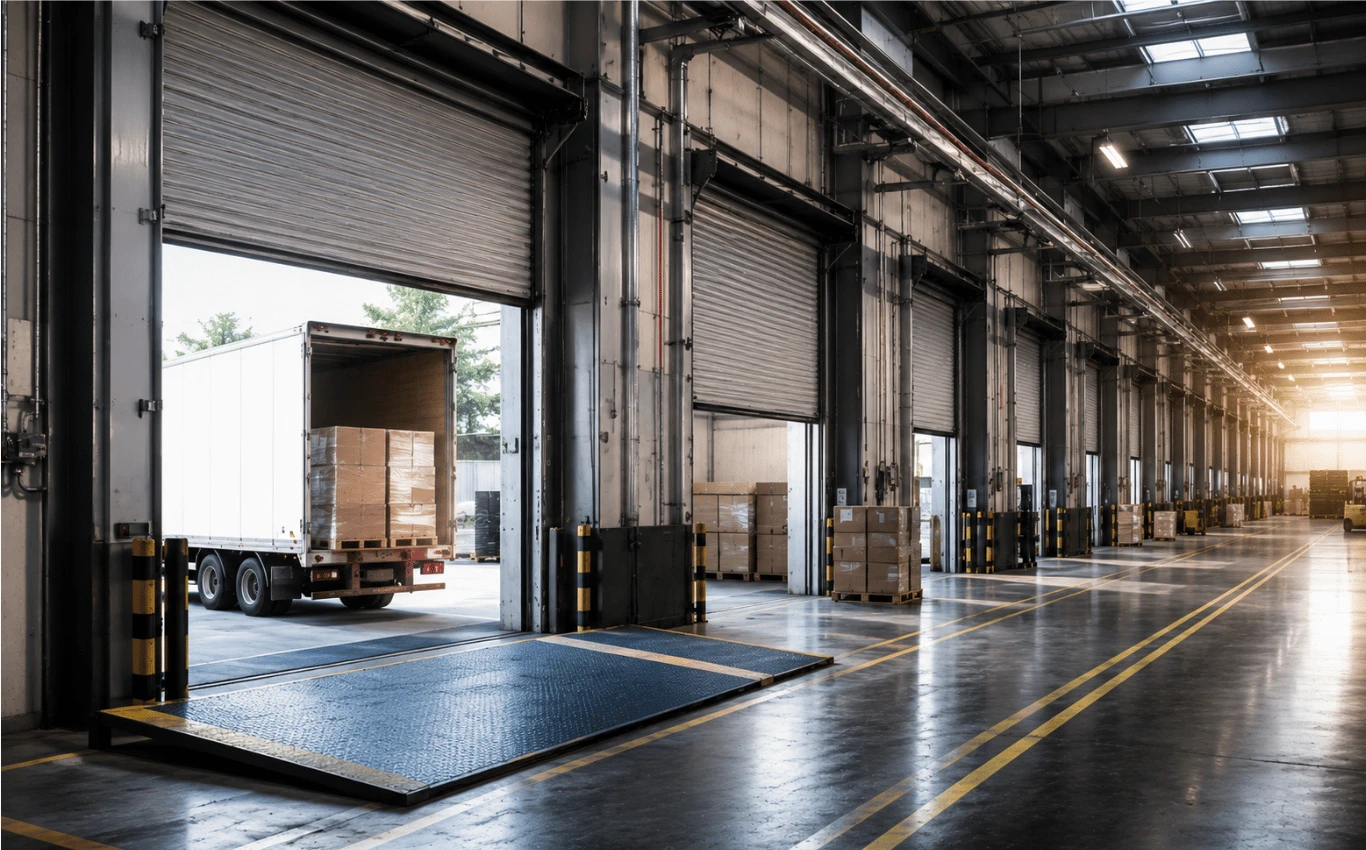
The performance of a garage door affects how smoothly daily operations run.
In facilities that receive regular deliveries or shipments, efficient access is critical. Slow or inconsistent Commercial Garage Doors can create unnecessary waiting periods that affect schedules and reduce throughput.
Workers rely on equipment and facility infrastructure to perform their jobs efficiently. When employees are repeatedly delayed by slow-operating doors, productivity decreases even if the delays seem minor individually. Faster access allows teams to focus on their work rather than waiting for systems to respond.
A commercial door does not necessarily need to be the fastest available, but it does need to operate consistently. Predictable performance allows businesses to maintain reliable schedules and workflows without unexpected interruptions.
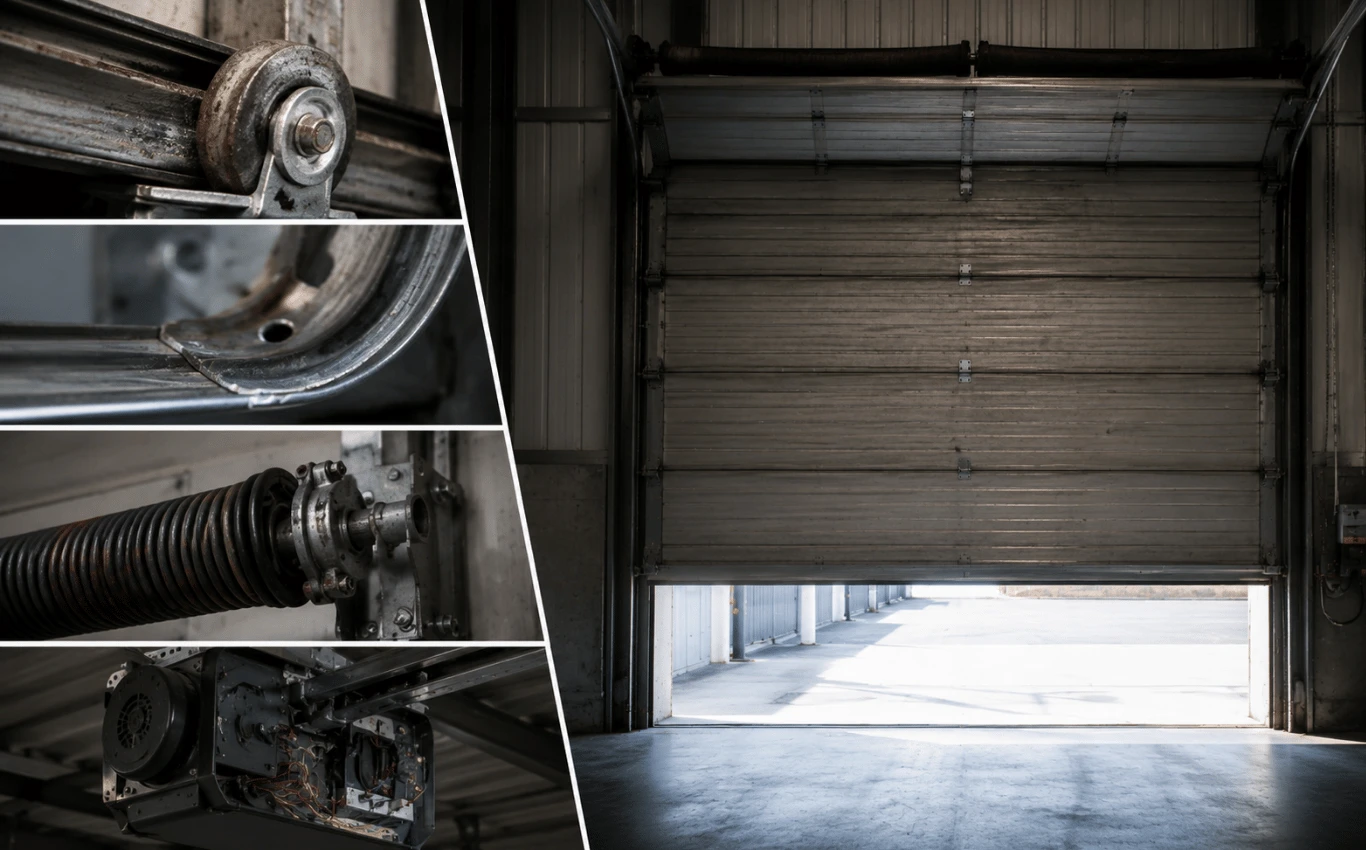
A slow commercial garage door is often a symptom of underlying issues rather than the problem itself.
Rollers, tracks, springs, and hardware naturally experience wear over time. As components age, additional friction develops within the system, causing the door to move more slowly and less efficiently. Routine Commercial Garage Door Repair helps address these issues before they affect operations.
Commercial door operators work hard every day. As systems age, motors and controls may become less responsive, leading to slower operation and inconsistent performance. Proper maintenance helps ensure the opener continues functioning efficiently.
What begins as a slight delay often develops into a more significant mechanical issue if left unaddressed. Identifying problems early helps businesses avoid larger repairs and unexpected downtime later.
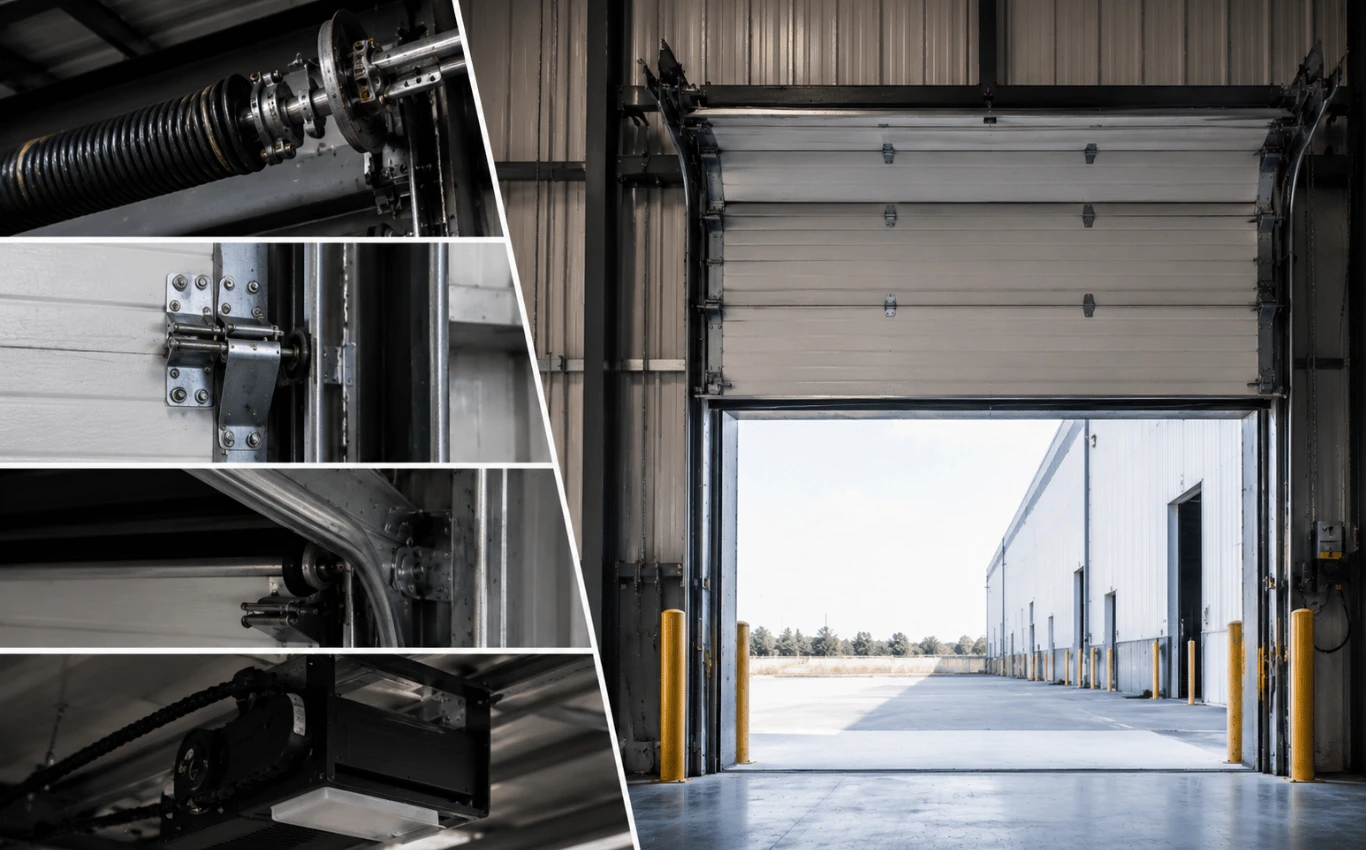
Many performance issues can be traced back to system design and installation quality.
Commercial doors should be selected based on how the facility operates, not simply on the size of the opening. High-cycle environments require systems capable of handling frequent daily use without sacrificing speed or reliability.
The durability of springs, tracks, rollers, and operators plays a major role in long-term performance. High-quality components help maintain smooth operation even under demanding conditions.
Proper Commercial Garage Door Installation ensures that all components work together efficiently from day one. Correct alignment and balance help prevent the gradual performance issues that often lead to delays.
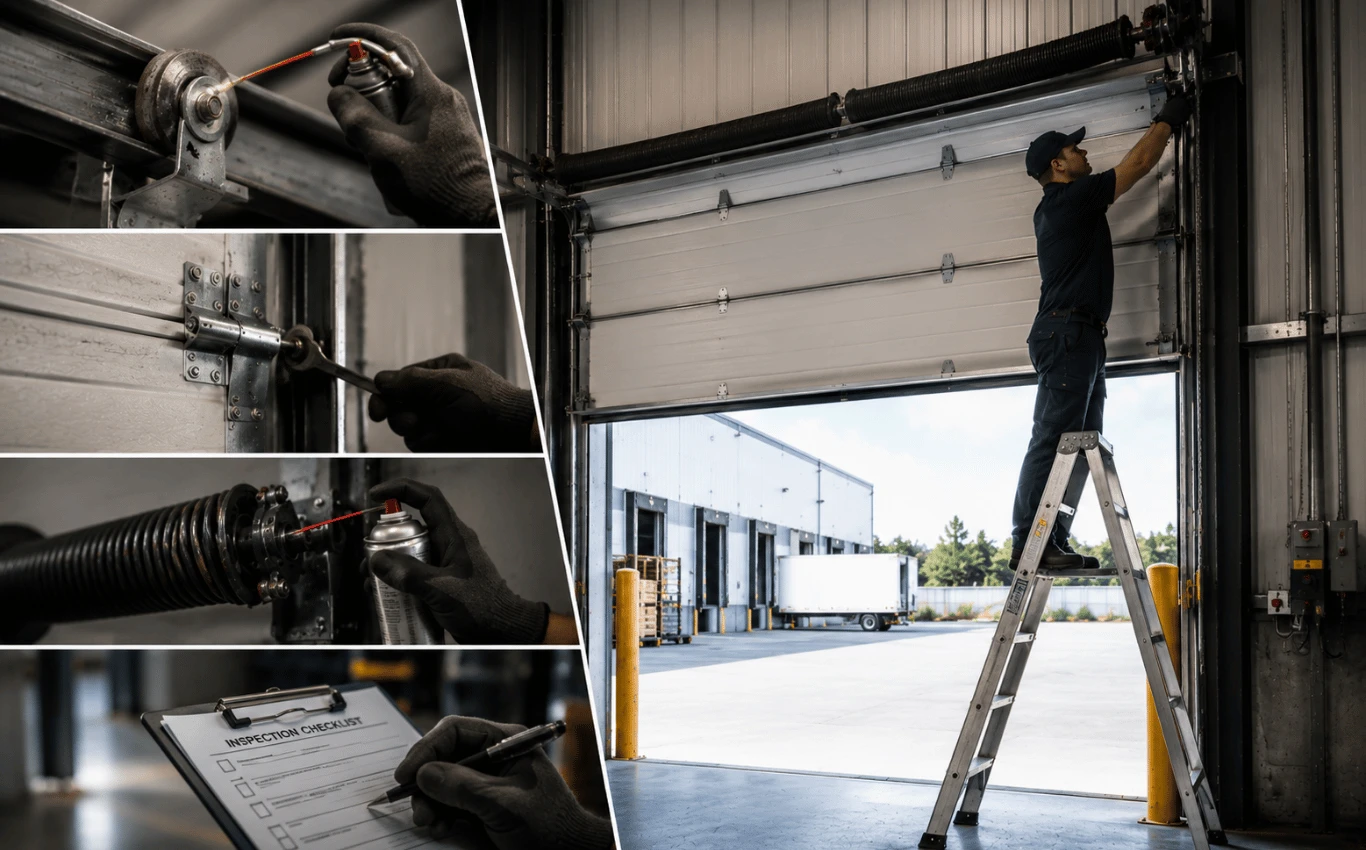
The most effective way to avoid costly delays is through proactive maintenance.
Routine inspections help identify worn components before they affect daily operations. Addressing small issues early is typically faster and less expensive than waiting for a breakdown.
Lubrication, adjustments, and preventative repairs help maintain consistent door speed and performance. Small maintenance tasks often have a significant impact on operational efficiency.
Commercial facilities depend on equipment that performs consistently every day. A properly maintained garage door becomes an asset that supports productivity rather than a source of delays.
You can see examples of professionally installed commercial systems in the DJ Doors Inc. Projects Gallery.
A 30-second delay may seem insignificant, but commercial facilities operate on repetition. When delays occur throughout the day, week, and month, the impact becomes substantial. Slow commercial garage doors reduce efficiency, create bottlenecks, and quietly increase operational costs. By investing in quality systems, professional installation, and ongoing maintenance, businesses can eliminate unnecessary delays and maintain smoother, more productive operations.
DJ Doors Inc. provides expert solutions for commercial garage door installation, repair, and maintenance designed to support efficient business operations and long-term reliability.
Improve productivity and reduce downtime by scheduling service through our Contact Us page.
At DJ Doors Inc., we offer a comprehensive range of garage door services designed to meet both residential and commercial needs. Whether you're looking to install a new garage door, repair an existing one, or upgrade your garage door opener, our expert team is here to provide reliable and efficient solutions.
.png)
%20(78).jpg)